
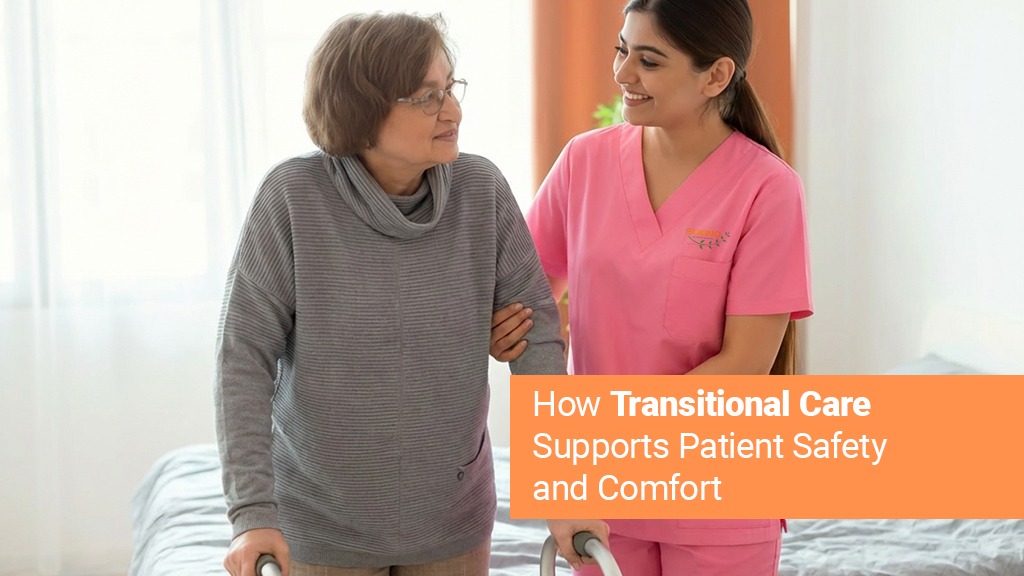
How Transitional Care Supports Patient Safety and Comfort
For most people, when a patient is discharged from the hospital, it means the end of their treatment. However, in the real sense, it is the beginning of recovery. The transition, which is from a hospital setting to a home one, may be daunting to both the patients and their families. Medications are distorted, appointments are modified, exercise is limited, and medical services, such as blood tests, treatments, etc., are found elsewhere. This forms a loophole in the treatment and recovery process and may influence the health of the patient.
This is where transitional care enters in. It seeks to bridge the discharge-recovery gap between hospital care and optimum recovery and offers security, support, and comfort to patients at a critical time.
Learning about transitional care
Transitional care is the coordinated medical care that is offered to patients while they are transitioning from one care setting to the next one. Mainly between the hospital and home. It focuses on continuity of care, effective communication, and continuous clinical monitoring so there are no relapses in the health of the patient or readmissions to the hospital, and of course, no additional expenditures.
In short, instead of discharge being taken as a handover point, transitional care is designed to consider discharge as a process that is well managed right to the point of recovery.
The reason why the transition phase is high risk
Post-discharge patients are at risk of:
- Medication errors.
- Mobility-related injuries and falls.
- Infection or complication of wounds.
- Gaps in follow-ups.
- Anxiousness, or disorientation.
How transition care supports patient safety and comfort
1-Ensuring Medication Safety
One of the largest post-discharge problems is medication management. There can be constant prescription changes, dose alterations, and it is quite possible that several drugs must be taken at a certain time.
Transitional care teams:
- Review and adjust medications.
- Train patients and caregivers about dosage and schedule.
- Pay attention to side effects.
- Make sure that regimens are adhered to.
This eliminates mistakes and makes the patient feel assured about their treatment.
2-Helping with physical safety and mobility
Most patients are discharged when they are still not completely strong or steady. Daily activities without the appropriate support may be life-threatening.
Transitional care includes:
- Mobility assessments.
- Safe transfer training.
- Fall prevention strategies.
- Correct use of assistive devices.
Physiotherapists and occupational therapists assist patients to move safely and develop strength and confidence to minimize the chances of getting injured at home.
3-Wound care and medical surveillance
Surgical wounds, pressure ulcers, catheters, or feeding tubes may need follow-up care after discharge.
Transitional care ensures:
- Adequate dressing and wound cleansing.
- Observation of infection symptoms.
- Early treatment in case of complications.
This continuous monitoring enables quick detection of problems to avoid unnecessary readmissions.
4-Psychological and emotional encouragement
Emotional consequences of post-discharge are not confined to the illness or surgery. The patients may be worried, scared, or have to grapple with the self-care load.
Transitional care is more concerned with the emotional health through:
- Offering support and training.
- Providing counselling or mental care.
- Assisting patients to adapt to temporary or permanent change of lifestyle.
- Enhancing recovery and satisfaction of the patients.
5-Consistency of care and good communicatio
One of the best benefits of transitional care is continuity. Patients do not feel that they are abandoned without assistance or help in case they leave the hospital.
Care teams:
- Coordinate doctor, therapist, nurse, caregiver.
- Help with follow-up appointments.
- Keep effective records and communication.
A coordinated strategy makes all the people involved aware of the care plan.
6-Individualised care
The healing process of every patient is individual. Transitional care is patient-centered, and it takes into account:
- Health status and level of disease.
- Functional abilities.
- Home environment.
- Family support systems.
Such individualised care makes the care practical, realistic, and sustainable.
7-Minimization of hospital readmissions
Less readmission is one of the main advantages of successful transitional care. The prompt solution of the problems and the assistance to recover at an appropriate pace result in the patients being less likely to come back to a hospital because of complications that can be avoided.
This not only enhances outcomes but also reduces the emotional and financial burden on the family.
8-Patients and caregivers empowerment
Transitional care not only revolves around service delivery but also enables patients and families to gain knowledge and confidence.
Education includes:
Recognizing symptoms that require care.
Training of safe care methods.
Creating knowledge on when and how to help.
The empowered caregivers and family members become active partners in the recovery.
Comfort is not merely physical relief. It consists of dignity, familiarity, and a tranquil mind. Transitional care enables the patient to recuperate in conducive surroundings and still get the professional supervision they need.
BY: Sukino
COMMENTS: No Comments