
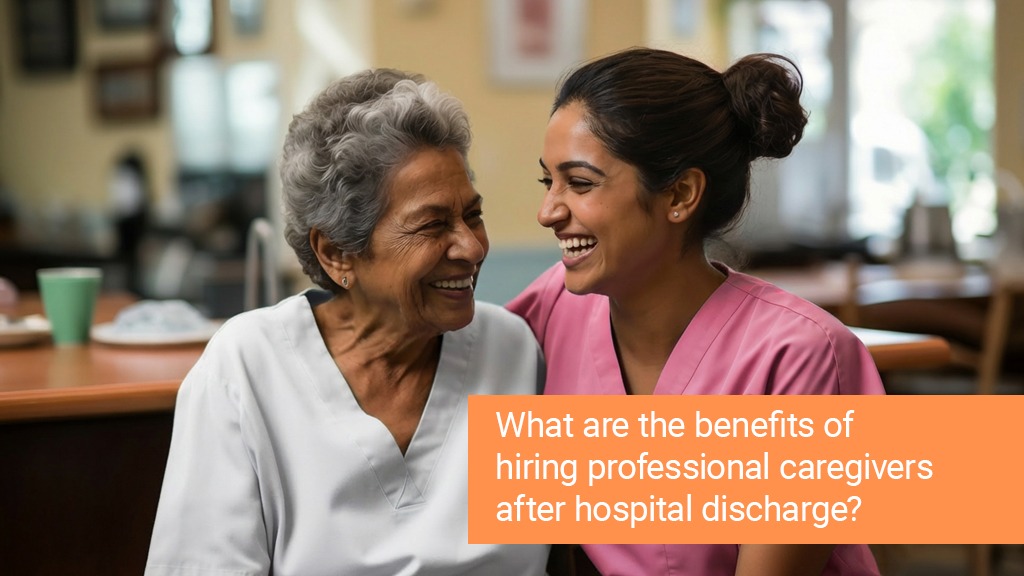
The reason why a professional caregiver is an important hire after hospital discharge
Relief may be the order of the day as soon as a loved one leaves the hospital. The beeping machines are dissolved, the rounds of the doctors cease, and everybody is at last able to go home. But what most families would not anticipate is that recovery does not just happen when one gets discharged. That is where it really begins in many ways.
Days following hospitalisation can seem hectic between medications, mobility problems, therapy sessions, emotional fluctuation, and perpetual monitoring. This is where the employment of a professional caregiver may prove to be one of the most effective decisions made by you, not only to the patient, but also to yourself and the whole family.
Home is comfy, but recovery requires more
Home is healing. The presence of the well-known walls, loved ones, and personal goods can make a patient so happy.
However, there are also new responsibilities of the recovery at home – wound care, mobility support, injection support, medication schedule, physiotherapy exercises, hygiene care, and emotional support. The family members do their level best to intervene, but the reality is that caregiving involves skill, training, and emotional strength.
It is the role of a professional caregiver to fill this gap
- They introduce expertise to your living room- Professional attendants are trained to deal with after-hospital recovery. They understand how to assist a patient without putting him at risk, prevent bed sores, assist the patient in breathing exercises, check their vitals, and work with medical devices, such as catheters, oxygen, or feeding tubes. This experience makes recovery not rely on guesses. A professional caregiver can know what to expect and when to intervene – in many cases, a small problem is kept small and does not turn into a huge crisis.
- They protect against rehospitalization- Relapsing to the hospital is one of the greatest post-discharge fears. Patients are re-admitted many times because of poor medication administration, infection, low mobility, or the absence of proper monitoring. Professional caregivers adhere to the timetable of actions- medicine punctually, hygiene, mobility, and warning signs detected in advance. This continuity of care will greatly eliminate complications and recurrence of hospital admissions. And to the family, it means that there is less emergency scramble and lost sleep, and this to the family is worth more than gold when it comes to recovery.
- They help in emotional healing as well- The recovery process is not only physical, but emotional. Patients usually feel weak, reliant, or even depressed following a significant illness or surgery. They consider themselves a burden to their family. This emotional stress has a retarding effect on healing. A caregiver not only offers help but also companionship. They listen. They talk. They reassure. They assist the patient in regaining confidence in little bits.
- They relieve family members of the pressure- There is usually a silent burden that falls on family caregivers. They are working mothers who have children, housework, and emotional tension. They sacrifice sleep. They cancel plans. In the long run, the burnout of caregivers is tangible – physically and psychologically. The family’s love is not substituted by an expert caregiver – he or she helps it. They let family members be themselves rather than becoming full-time attendants. This emotional transformation assists families in reconnecting without being exhausted.
- They promote rapid and less injurious recovery- The professional caregivers collaborate with physiotherapists, nurses, and doctors. They make sure that the exercise routines are well adhered to, nutrition is well taken care of, and safety is observed during day-to-day operations.
- They reduce total dependency- For example: Teaching a stroke patient to walk safely, helping patients who have undergone surgery with mobility exercises, assisting elderly patients with bathing and toileting. Such a systematic procedure results in quicker, more efficient, and secure healing.
- They personalise care according to individual requirements- Every patient is different. A young individual who is in full recovery from an accident does not require the same support that an older person after hip replacement or a survivor of a stroke learning how to live again. Caregivers, who are professionals, tailor care based on physical status, emotional state, health requirements, and individual preferences. Such individual attention makes healing human and not just medical. It is more of support rather than supervision.
- They assist in creating a secure house setting- Post-discharge care also includes alterations of the home setting to ensure patient safety, which includes the minimization of fall risks, proper bed placement, accessibility to essentials, and informing family members of basic caregiving techniques. Most of the caregivers assist families to make their homes safer, particularly for older patients with mobility challenges. Such minor modifications will help to avoid accidents and increase trust in everyday tasks.
The truth most families realise later
Most families hesitate at first.
“Do we really need a professional caregiver?”
“Can we manage ourselves?”
“Is this necessary?”
But once the journey begins, many admit later — they wish they had hired one sooner.
Because recovery isn’t just about surviving an illness.
It’s about returning to life — with dignity, strength, and comfort.
Hiring a professional caregiver is not a sign of weakness or inability. It’s a sign of love, responsibility, and foresight.
BY: Sukino
COMMENTS: No Comments