


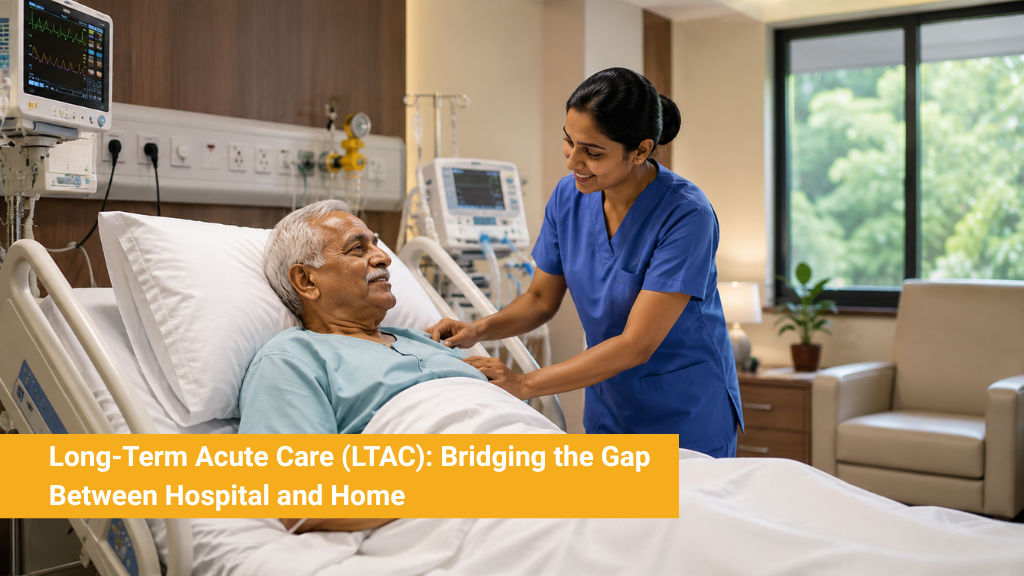
For many patients, leaving the hospital is seen as the end of a difficult chapter. The surgery is over, the stroke has been treated, or the critical illness has been stabilized. Yet, for countless individuals and their families, recovery is only beginning.
A patient may be medically stable enough to leave the hospital, but still require ongoing medical supervision, rehabilitation, nursing care, and support with daily activities. Families often find themselves asking an important question: “What comes next?”
This is where Long-Term Acute Care (LTAC) plays a vital role.
Understanding Long-Term Acute Care
Long-Term Acute Care is a specialized healthcare service designed for patients who need continued medical attention and rehabilitation after hospitalization. It serves as a bridge between acute hospital care and a safe return home.
These patients may no longer require intensive hospital treatment, but they still need services such as continuous medical supervision, skilled nursing care, respiratory support, wound management, rehabilitation therapies, and assistance with everyday activities.
The goal of LTAC is simple: to help patients recover safely, regain strength, and improve their quality of life while reducing the risk of complications and hospital readmissions.
Why LTAC Matters
Recovery from a serious illness is rarely a straight path. Patients recovering from stroke, traumatic injuries, major surgeries, neurological conditions, or prolonged ICU stays often face physical, emotional, and functional challenges that require specialized support.
A dedicated LTAC program helps address these challenges through a structured and multidisciplinary approach.
Regular medical monitoring allows potential complications to be identified early. Rehabilitation therapies help patients rebuild strength, mobility, and independence. Skilled nursing care ensures that complex medical needs are managed safely and effectively.
Most importantly, LTAC gives patients the opportunity to focus on recovery while providing families with the reassurance that their loved ones are receiving professional care.
Who Can Benefit from LTAC?
Long-Term Acute Care can support a wide range of patients, including those recovering from:
- Stroke
- Major surgeries
- Spinal cord injuries
- Traumatic brain injuries
- Prolonged ICU stays
- Ventilator or tracheostomy dependence
- Neurological disorders
- Cancer treatment and oncology recovery
- Multiple chronic medical conditions
- Age-related health challenges requiring ongoing care
Each patient has unique recovery goals, and LTAC provides the individualized support needed to help achieve them.
The Sukino Approach
At Sukino, recovery extends beyond medical treatment. We believe healing involves restoring confidence, independence, and overall well-being.
Our multidisciplinary team of doctors, nurses, physiotherapists, occupational therapists, speech therapists, nutritionists, and caregivers work together to create personalized recovery plans for every patient.
Through continuous medical oversight, skilled nursing care, advanced monitoring, and integrated rehabilitation services, we help patients progress steadily toward their recovery goals.
Recovery Is More Than Healing
A serious illness affects not only the body but also the patient’s confidence, routine, and quality of life. The period after hospital discharge is often one of the most critical stages of recovery.
With the right care, support, and rehabilitation, patients can regain independence and return to meaningful daily living.
Long-Term Acute Care helps make that journey possible by bridging the gap between hospital and home.
At Sukino, we are committed to supporting patients and families every step of the way with expert care, personalized rehabilitation, and compassion that puts recovery first.


