


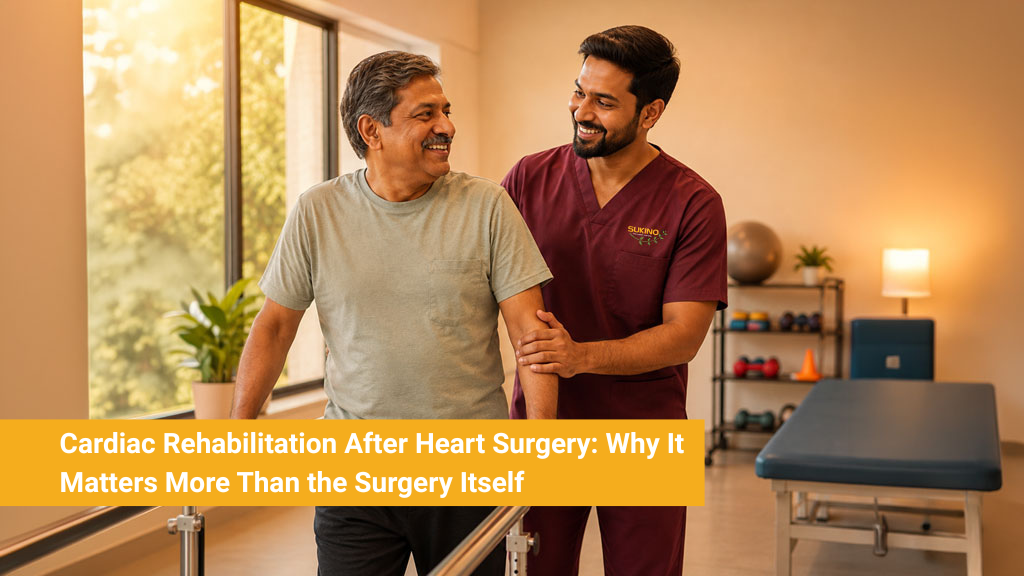
What is Cardiac Rehabilitation?
Why Surgery Alone Is Not Enough
- Weakness and fatigue
- Reduced physical activity
- Difficulty walking or climbing stairs
- Shortness of breath
- Muscle loss after prolonged hospitalization
- Anxiety about resuming normal activities
Benefits of Cardiac Rehabilitation
- Improves Physical Strength: Patients gradually rebuild strength through supervised exercises that are safe for the heart. Activities are increased step by step based on the patient’s condition and recovery progress.
- Helps the Heart Recover Safely: Exercise is carefully monitored by healthcare professionals to ensure that the heart is not under unnecessary stress. Heart rate, blood pressure, oxygen levels, and symptoms are observed throughout the rehabilitation process.
- Reduces the Risk of Future Heart Problems: Cardiac rehabilitation focuses on controlling risk factors such as high blood pressure, diabetes, obesity, smoking, and high cholesterol. Lifestyle changes made during rehabilitation can reduce the chances of future cardiac events.
- Improves Confidence: Many patients become anxious after heart surgery. They worry about walking, climbing stairs, travelling, or returning to work. Rehabilitation helps patients regain confidence by showing them what their body can safely do.
- Supports Emotional Recovery: Recovery is not only physical. Feelings of anxiety, stress, or low mood are common after major heart surgery. A comprehensive rehabilitation program addresses emotional well-being alongside physical recovery.
Recover with Expert Cardiac Rehabilitation at Sukino Electronic City
Recovering after heart surgery requires more than rest. At Sukino Electronic City, our multidisciplinary rehabilitation team provides personalised cardiac rehabilitation, physiotherapy, supervised exercise programs, and comprehensive recovery support to help you regain strength safely and confidently.
Book a ConsultationWho Should Consider Cardiac Rehabilitation?
- Coronary Artery Bypass Graft (CABG) surgery
- Heart valve repair or replacement
- Angioplasty and stent placement
- Heart attack
- Heart failure
- Certain congenital heart surgeries
- Other cardiac procedures as advised by the treating cardiologist
What Happens During Cardiac Rehabilitation?
🩺 Clinical Assessment
The healthcare team evaluates your medical history, current health status, mobility, medications, and recovery goals before creating a personalised rehabilitation plan.
🏃 Supervised Exercise
Exercises are introduced gradually and may include walking, breathing exercises, flexibility training, strength-building activities, and endurance exercises. The intensity is increased only when it is safe to do so.
🤸 Physiotherapy
Physiotherapists help improve mobility, posture, breathing, balance, and overall functional ability while ensuring that movements remain safe during recovery.
🥗 Nutrition Guidance
Healthy eating plays a vital role in protecting heart health. Patients receive guidance on balanced nutrition, portion control, and dietary habits that support recovery.
📖 Lifestyle Education
Patients and caregivers learn about medication adherence, physical activity, stress management, sleep, and long-term heart health.
When Should Cardiac Rehabilitation Begin?
Why Supervised Rehabilitation Matters
- Continuous clinical monitoring
- Individualised exercise progression
- Professional physiotherapy
- Education for patients and caregivers
- Better coordination with the treating medical team


