


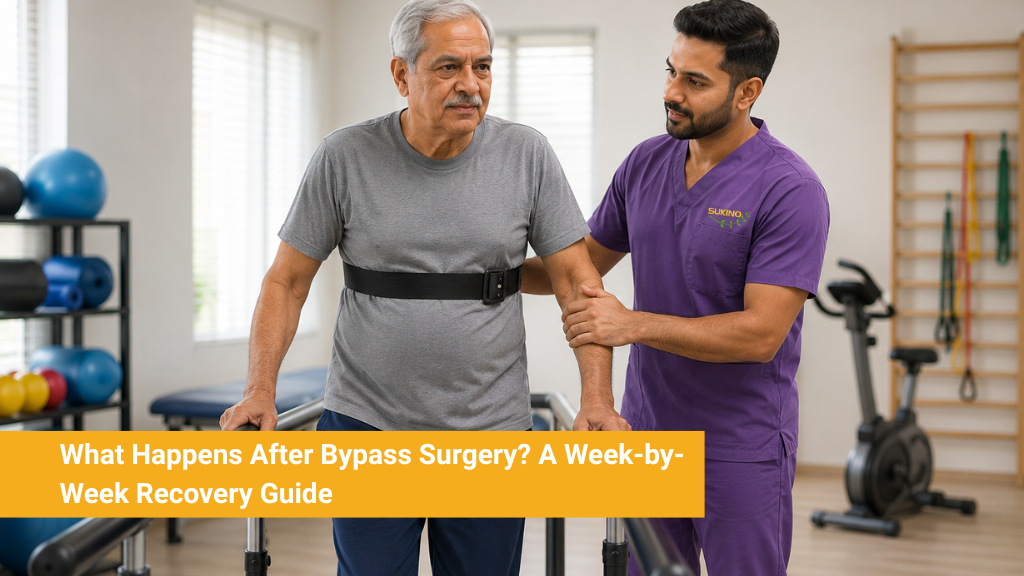
Undergoing coronary artery bypass graft (CABG) surgery is a major step in treating blocked coronary arteries. But once the surgery is complete, another important phase begins — recovery.
Patients and families often have many questions after discharge. How much walking is safe? When will the weakness reduce? When can the patient climb stairs? Is physiotherapy required? How long does complete recovery take?
Recovery is different for every patient. Age, overall health, heart function, other medical conditions and the complexity of surgery can all influence progress. However, understanding the general recovery timeline can help patients and families know what to expect.
Here is a week-by-week overview of recovery after bypass surgery.
Week 1: Hospital Recovery and Early Mobilisation
The first few days after bypass surgery are usually spent in the hospital under close medical supervision. Once the patient’s condition is stable, the healthcare team gradually encourages movement. This may include sitting upright, standing with assistance and taking short walks. During this stage, patients may experience:
- Tiredness and weakness
- Pain or discomfort around the incision
- Reduced appetite
- Difficulty sleeping
- Mild breathlessness during activity
- Swelling in the legs
- Anxiety about movement
Breathing exercises and gentle mobilisation may begin during the hospital stay. Before discharge, the medical team will provide instructions regarding medications, wound care, physical activity and follow-up appointments.
Week 2: Adjusting to Life After Discharge
The first week at home or in a rehabilitation setting can be challenging.
Patients may still feel tired after simple activities such as bathing, dressing or walking around the house. This is expected because the body is still recovering from major surgery.
Short walks are generally encouraged, depending on the treating doctor’s advice. Instead of trying to walk long distances, patients can gradually increase their activity based on their tolerance.
Nutrition, medication adherence, wound care and adequate sleep are also important during this period.
Patients who are physically weak, have multiple medical conditions or need assistance with daily activities may benefit from supervised cardiac rehabilitation.
Weeks 3–4: Gradually Rebuilding Strength
By the third and fourth weeks, many patients begin noticing improvements in their energy and mobility. Walking duration may gradually increase, and everyday activities may become easier.
However, patients should avoid suddenly increasing the intensity of exercise or performing strenuous activities without medical advice. A structured cardiac rehabilitation program during this stage may include:
- Supervised walking
- Breathing exercises
- Mobility training
- Gentle strengthening exercises
- Monitoring of heart rate and blood pressure
- Nutrition guidance
- Education on lifestyle changes
The rehabilitation plan should be personalised according to the patient’s condition and recommendations from the treating cardiologist.
Weeks 5–6: Returning to Everyday Activities
Around five to six weeks after bypass surgery, many patients become increasingly independent. They may be able to walk longer distances, perform more household activities and manage personal care with less assistance.
Patients often ask when they can drive, return to work or climb stairs. There is no universal timeline. These activities depend on healing, physical strength, the nature of the patient’s work and medical clearance.
The chest bone also requires time to heal after open-heart surgery. Patients should therefore follow their surgeon’s instructions regarding lifting, pushing, pulling and upper-body activities.
Weeks 7–12: Building Endurance and Confidence
During the second and third months, the focus gradually shifts from basic recovery to improving endurance and returning to normal life.
Exercise may become more structured and progressive. Patients who participate in cardiac rehabilitation can work towards improving cardiovascular fitness, muscle strength and functional independence under professional supervision.
This period is also important for addressing the factors that contributed to heart disease in the first place. These may include:
- High blood pressure
- Diabetes
- High cholesterol
- Smoking
- Obesity
- Physical inactivity
- Unhealthy eating habits
- Stress
Long-term recovery after bypass surgery is not only about healing from the operation. It is also about protecting the heart and reducing the risk of future cardiac problems.
What Is the Role of Cardiac Rehabilitation After Bypass Surgery?
Cardiac rehabilitation provides a structured approach to recovery after CABG. Depending on the patient’s needs, a cardiac rehabilitation program may include supervised exercise, physiotherapy, clinical monitoring, nutrition guidance, lifestyle education and support for returning to daily activities.
For patients who have become weak following surgery or a prolonged hospital stay, rehabilitation can also focus on rebuilding mobility and independence before they return home.
When Should You Seek Medical Attention?
Some discomfort and tiredness can occur during recovery. However, patients should contact their healthcare team if they develop new or worsening symptoms. Seek medical advice for symptoms such as:
- Increasing chest pain
- Significant or worsening breathlessness
- Fainting or severe dizziness
- Persistent or high fever
- Increasing redness, swelling or discharge from the surgical wound
- Sudden or worsening swelling
- Very fast, slow or irregular heartbeat accompanied by symptoms
If symptoms are severe or sudden, seek emergency medical care.
How Long Does Complete Recovery After Bypass Surgery Take?
There is no fixed recovery period for everyone.
Many patients gradually return to normal activities over several weeks, while others — particularly older adults or people with multiple medical conditions — may require longer.
Recovery should therefore be based on individual progress rather than comparing one patient’s timeline with another.
The treating cardiologist and rehabilitation team can help determine when it is safe to progress to different levels of activity.
Cardiac Rehabilitation in Electronic City
For patients recovering after bypass surgery in and around Electronic City, having access to structured rehabilitation closer to home can make the transition from hospital to everyday life easier.
At Sukino Electronic City, cardiac rehabilitation focuses on helping patients regain strength, improve mobility and gradually return to daily activities through a personalised recovery plan.
Depending on individual needs, care may include physiotherapy, nursing support, clinical monitoring, nutrition guidance and multidisciplinary rehabilitation.
The rehabilitation plan is developed around the patient’s condition and the recommendations of the treating cardiac team.
Frequently Asked Questions
Walking usually begins during the hospital stay once the medical team considers the patient stable. The duration and intensity should be increased gradually according to medical advice.
There is no single walking target suitable for every patient. Start with the activity recommended by your healthcare team and gradually progress according to your recovery and exercise tolerance.
Cardiac rehabilitation is recommended for many patients following CABG. It provides structured exercise, education and risk-factor management to support recovery and long-term cardiovascular health.
Some patients may be able to use stairs relatively early in recovery, but this depends on their condition, strength and medical advice. Do not use a fixed timeline without consulting your healthcare team.
It depends on your recovery and the type of work you do. People with physically demanding jobs may require more recovery time than those with less physically strenuous work. Medical clearance is important before returning.
Bypass surgery restores blood flow to the heart, but returning to everyday life takes time.
The weeks following surgery are important for rebuilding strength, improving cardiovascular fitness, managing risk factors and regaining independence.
For some patients, home-based recovery with regular follow-up may be sufficient. Others may benefit from structured cardiac rehabilitation, particularly if they need closer supervision, physiotherapy or additional support before returning home.
If you or a loved one has recently undergone bypass surgery, speak with your cardiologist about the right rehabilitation plan. To know more about Cardiac Rehabilitation at Sukino Electronic City, contact our rehabilitation team.


