
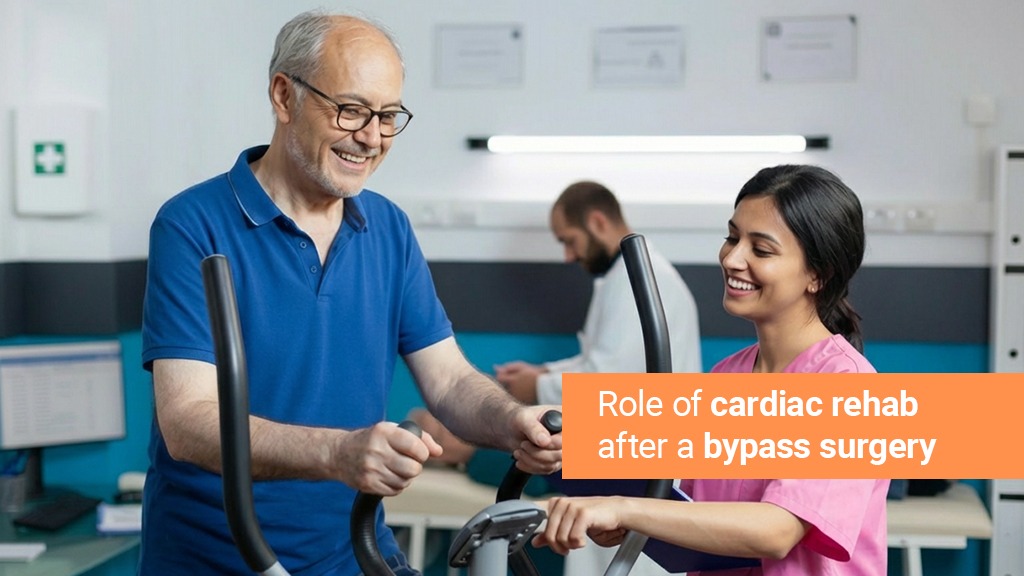
Role of cardiac rehab after a bypass surgery
A bypass operation is a life-changing experience. It is the culmination of a long effort on the part of many patients, dealing constantly with chest pains, breathlessness, or frequent trips to the hospital. The surgery reinstates blood supply flow to the heart, and can be instantly relieving. However, care after surgery is equally significant as it is before the operation. The process of recovery does not end after discharge. This is where the actual journey starts.
Knowing about life after bypass surgery
Patients may face physical inactivity, depression, and anxiety after a bypass surgery. The reason is mainly weakness, fatigue, mood swings, and fear.
The worries for many are:
“Is it safe to move?”
What happens if my heart is not able to cope with movement and exercise?
“Will I ever feel normal again?”
These fears are natural. The heart is traumatized, and the body is in need of time to adapt. Patients who are not well advised will either not move or move excessively without proper guidance that will only delay the healing process.
It is at this stage that cardiac rehabilitation comes in.
What is cardiac rehabilitation?
Bypass surgery fixes the heart pathways, but cardiac rehabilitation fixes the person’s confidence, strength, and lifestyle.
It is a medically controlled recovery program organized and structured for individuals who have undergone heart surgeries, such as bypass surgery.
The program combines:
- Supervised exercise.
- Medical monitoring.
- Lifestyle education.
- Emotional support.
- Risk-factor management.
It is not only about survival but assisting the patients to live safely and actively, and resume a meaningful life without future heart difficulties.
The benefits of cardiac rehab following bypass surgery
The heart muscle and chest structures should be reconditioned carefully and gradually after bypass surgery. Cardiac rehab provides low-risk, controlled physical exercise that does not overwork the heart.
1- Helps the heart heal safely.
Supervised exercise helps:
- Improved heart efficiency.
- Increased circulation.
- Enhanced oxygen delivery.
- Reduced strain on the heart.
The patients are taught to walk once again without the fear of falling to the ground under the supervision of the experts.
2-Rejuvenates the heart muscle strength and endurance.
Even healthy patients are surprisingly weak after surgery, even if they were active before. Medications, bed rest, and surgical stress decrease muscle strength and endurance.
Cardiac rehab rebuilds:
- Overall stamina.
- Leg and core strength.
- Breathing efficiency.
- Functional mobility.
This simplifies routine actions such as walking, stair climbing, and self-care.
3-Minimizes future heart issues
Secondary prevention is one of the largest advantages of cardiac rehabilitation.
Rehab assists in dealing with the major risk factors, including:
- High blood pressure.
- High cholesterol.
- Diabetes.
- Obesity.
- Smoking.
- Sedentary lifestyle.
Patients understand how they can exercise safely, eat heart-healthy foods, deal with stress, and take medications, which greatly reduce the risk of another cardiac event.
4-Handles emotional and mental health.
Most patients feel anxious, depressed, or afraid of overworking after undergoing bypass surgery. Some are emotional or excessively reliant on family members.
Cardiac rehab provides:
- Emotional reassurance.
- Stress-management techniques.
- Support counseling as needed.
- Development of a build-up of confidence.
With the increase in physical strength, the emotional strength tends to increase.
5-Promotes healthy lifestyle change.
Bypass surgery corrects clogged arteries, but it does not cure the causes of those blocked arteries. That is something cardiac rehab takes care of.
Cardiac rehabilitation is oriented towards long-term lifestyle change involving the education of patients on:
- Heart-healthy nutrition.
- Physical activity habits.
- Sleep hygiene.
- Weight management.
- Stress control.
The changes are beneficial to safeguard the new bypass grafts and aid in permanent heart fitness.
What does cardiac rehab consist of?
A standard cardiac rehabilitation following bypass surgery can involve:
- Supervised exercise.
- Movement on a track/ treadmill.
- Cycling.
- Gentle strength training.
- Breathing exercises.
- Flexibility training.
- Medical Monitoring.
- Blood pressure checks.
- Heart rate monitoring.
- Oxygen saturation tracking.
- Symptom assessment.
- Education and counseling.
- Understanding medications.
- Managing risk factors.
- Recognizing warning signs.
- Safe coming back to work and normal life.
When is the ideal time to start cardiac rehab?
Cardiac rehabilitation is recommended within days to weeks post-surgery based on the medical state of the patient.
Early initiation allows:
- Faster recovery.
- Better physical outcomes.
- Improved confidence.
- Fewer hospital readmissions.
The decision on the most secure moment to initiate and change the program as the recovery goes on is determined by your cardiologist and the rehab team.
Family role in cardiac rehab
Supporting the recovery process by the family is a very important aspect. Family members assist in motivating attendance, support the change of lifestyle, and offer emotional support.
The patients also feel less lonely and have more motivation to remain committed to the program when they realize the relevance rehab creates in families.
Life after rehab
The patients who undergo cardiac rehabilitation usually report:
- Improved quality of life.
- Better energy levels.
- Less fear regarding physical activity.
- Greater independence.
- Improved heart health outcomes.
Bypass surgery saves lives.
Life rehabilitated through cardiac rehabilitation contains the transition between surgery and long-term wellness and assists patients to walk with confidence, to breathe easily, and to live without fearing all the time.
BY: Sukino
COMMENTS: No Comments