


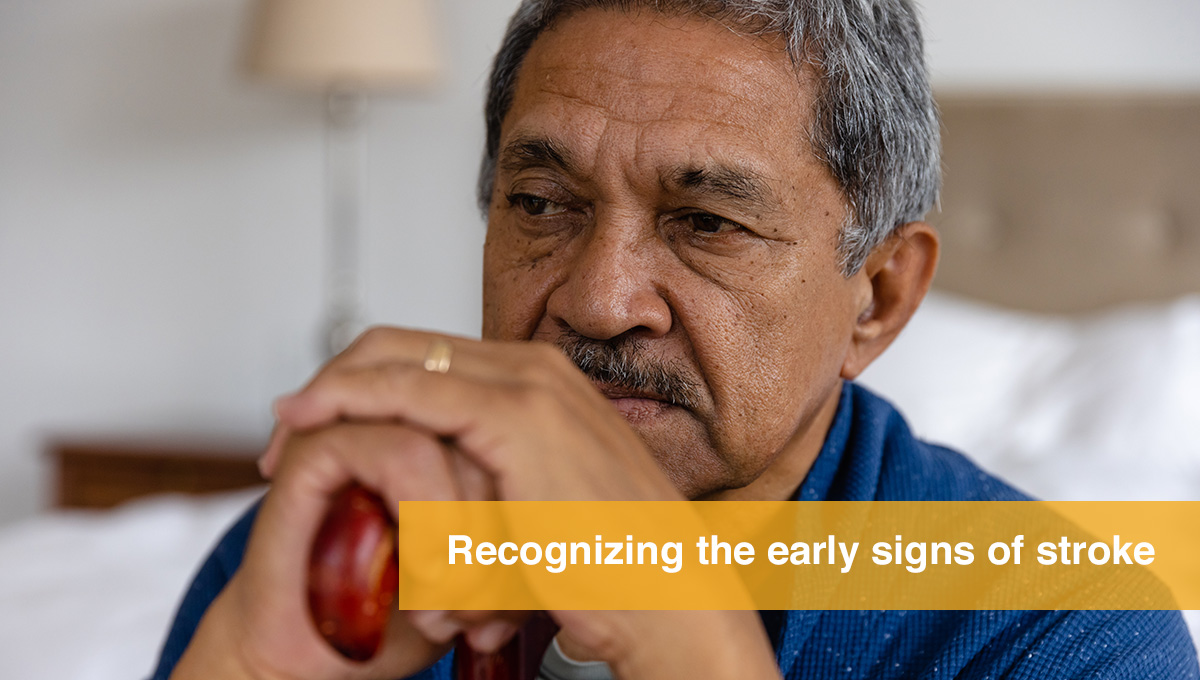
A stroke can occur at any time and with little or no warning, turning a perfectly fine day into a Dramatic and challenging one. This medical condition requires a fast solution because early intervention enhances prognosis. Knowledge and perception of the signs of stroke are important as they may make a lot of difference between recovery and severe disability or death. Here is what you need to know to distinguish the initial signs of stroke and how to respond to them.
What is a Stroke?
A stroke can happen when blood vessels supplying the brain become blocked or decrease the appropriate amount of blood flow to brain cells. Cells in the brain start to die within minutes.
There are two main types of strokes:
- Ischemic Stroke: A condition that is a result of a blockage of an artery supplying the brain.
- Hemorrhagic Stroke: This occurs when blood vessels in the brain rupture and result in hemorrhage in the brain or beyond.
Recognizing the Early Signs: The FAST method
FAST describes the early and typical signs of stroke and what a person can do.
F – Face Drooping: Speaking difficulty, which may be characterized by slurred speech, and a feeling of weakness on one side of the face that causes the person’s lips to droop. The person should be Instructed to smile, if the person’s smile is uneven too, then they are most probably having a stroke.
A – Arm Weakness: One of the arms may be paralyzed accompanied by numbness. Tell the person to lift their hands above the head and check if one of the arms hangs lower than the Other.
S – Speech Difficulty: There can be slowness of speech, the words might be difficult to comprehend or the speech could be slow and slurred. Request the person to read a simple line to see if they can repeat it.
T – Time to Call 911: Signals of pertinent or steady complaints should be followed by an emergency call to the doctor or the medical team as time is critical.
Other Symptoms to Look Out for
While the FAST method covers the most common symptoms, other signs could also indicate a stroke:
- Sudden Numbness or Weakness: More so on only one side of the body fac. E.g. on the arm of the leg.
- Confusion or Trouble Understanding: There can be a sudden inability to concentrate, slurring of the speech, and finding it difficult to understand spoken words.
- Trouble Seeing: Temporary or permanent loss of vision in one or both eyes. Difficulty Walking: This includes such symptoms as dizziness, loss of balance and Coordination.
- Severe Headache: Headache is likely to occur without any reason and with maximal severity.
A stroke is a condition that can be very fatal especially because time is very crucial. The longer the stroke lasts and goes without medical intervention, the higher the risk for the patient of developing more serious brain complications and impairments. This is because getting medical attention soon lowers the level of impact a stroke may cause and increases the probability of recovery.
Risk Factors and Prevention
Understanding the risk factors for stroke can also help in prevention:
- High Blood Pressure: Currently the most common cause of a stroke.
- Diabetes: Does increase the risk, but the risk of stroke is considerably lower when compared with smoking.
- High Cholesterol: Thereby leads to blocked arteries.
- Smoking: It doubles the probability of a stroke being experienced by an individual.
- Obesity: It has been associated with causing strokes due to high blood pressure and Diabetes.
- Heart Disease: Complications such as atrial fibrillation increase the risk of stroke significantly.
Simple modifications to decrease the chances of stroke
- Maintain a Healthy Diet: This entails concentrated efforts to consume foods like fruits, vegetables, whole grains, and lean proteins.
- Exercise Regularly: Ideally, one should exercise their body for at least thirty minutes a week, through moderate activities.
- Monitor Blood Pressure: Control blood pressure through dietary and other lifestyle modifications and, if required, with the help of medications.
- Quit Smoking: Smoking should be given up. Help can be sought to give up on the addiction.
- Limit Alcohol: It is advisable to consume alcohol only occasionally, or not at all.
Strokes are severe health conditions, yet by knowing warning signals and responding quickly, one may prevent such an incident – or even rescue someone’s life, including their own. It is important to use the mnemonic FAST and recall it. Also, one should embrace healthy living and preventive measures of risk factors as a way of decreasing the likelihood of stroke.
For any further queries or doubts about stroke, it is advisable to consult a doctor.


