


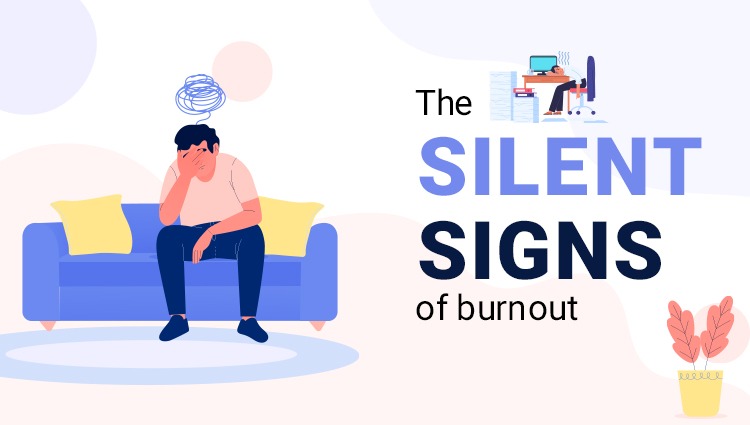
The experts call it a form of exhaustion that occurs due to mental, emotional, and physical overburdening. In simpler words, it is what we experience when we are swamped with too much work, overthinking, and stress that does not allow us to relax for a long period and makes us feel irritable and tired all the time — these are often the silent signs of burnout.
People debate that,’ this is what our daily life looks like and we are fine!”
However, here is a wake-up call. Constant pressure, be it from a job, relationships, caregiving, or any other task, can place a huge unwarranted demand on the energy levels and deplete you of basic wellness. Now, this may not be medically diagnosed, but over time, this silent burnout can deeply alter your physical and mental health if not addressed. It includes serious conditions like compromised immunity, heart disease, severe digestive issues, weight gain, headaches, muscle and joint pain, depression, and an early death.
If we have your attention, then read on.
The reasons for burnout
To begin with, we need to identify the different triggers that can lead to burnout.
The four broad categories are:
- Overburdening- This occurs when you are too focused on success and keep working harder and harder in the pursuit of that perfect financial situation that always seems to elude you. You tend to put your health, personal relations, and leisure on the back burner to feel more and more successful, and may silently enter the vicious loop of burnout.
- Feeling under-challenged- This happens when your surroundings lack stimulation and motivation for you to keep going and performing better. You feel unwanted, unappreciated, and under-challenged, which makes you cynical all the time and ready to shun responsibilities.
- Helplessness- If things aren’t going your way, you may keep feeling incompetent or disheartened to carry on with your responsibilities and tasks. You keep doubting your abilities, talents, and accomplishments.
- Habitual- This can be a pattern that is formed out of habit. You feel tired and sad all the time, viewing each situation as unpleasant and negative, and react accordingly, convinced that you are being threatened and the outcome will not always be in your favour.
Silent signs of burnout
This is how burnout sets in without you even realising it. While the major signs are feeling tired, lack of enthusiasm, constant feelings of negativity, and lack of performance, there are stages that a typical burnout takes to set in and become a serious problem.
1-There is a constant need and impatient need to prove yourself, and you keep striving and working ceaselessly for perfection in the fear of not being able to fulfill others’ demands. You try to do everything yourself and try to complete tasks in unrealistic timelines.
2-By being over-driven, you tend to ignore your needs, keep going without taking breaks, and this results in lapses in your performance.
3-You tend to become irritable and start having conflicts with people around you.
4- You become restless, have issues with sleep, and tend to become absent-minded and forgetful.
5- Next, you begin to view things differently and become insensitive to others. Your family, friends, etc, always come after your tasks and goals.
6-Bitterness starts to creep in, and you cut yourself off from others and minimize social contact. Interacting with others feels like a burden.
7- You start feeling angry, impatient, and intolerant all the time, and start experiencing physical pain in various body parts without any reason.
8- If someone criticizes you, you take it personally and it affects you deeply, making you resort to substance abuse.
9- You lose your sense of identity, and you see yourself only as someone who is needed to work and prove themselves. You don’t validate your feelings, and your life becomes meaningless.
10- You start neglecting your health and develop eating issues.
11- You experience constant fatigue and exhaustion, self-hatred, and harbour suicidal thoughts.
Dealing with burnout
1- The first step is always awareness. You need to become aware of any behaviour changes or patterns that are creating problems for you and leaving you feeling unhappy, irritable, and exhausted.
2- The next step is to talk about them. The more you suppress, the more you internalize them, and they become an inseparable part of your personality. Telling your family, friends, or workplace colleagues honestly about your feelings and challenges helps them understand you better and create a favourable environment for you.
3- Sleep is crucial to avoid and manage burnout. Hence, cutting down on screen time and getting the required undisturbed sleep can help your body and mind heal and rejuvenate for the next day.
4- Yoga, mindfulness, and meditation have been known to be great practices to calm the mind and release the built-up tension. Additionally, they help in recalibrating your emotional well-being.
5-Seeking professional support is a very significant step in reducing burnout. Guided sessions with counsellors and therapists can help you cope with the pressures of daily living more effectively.


