


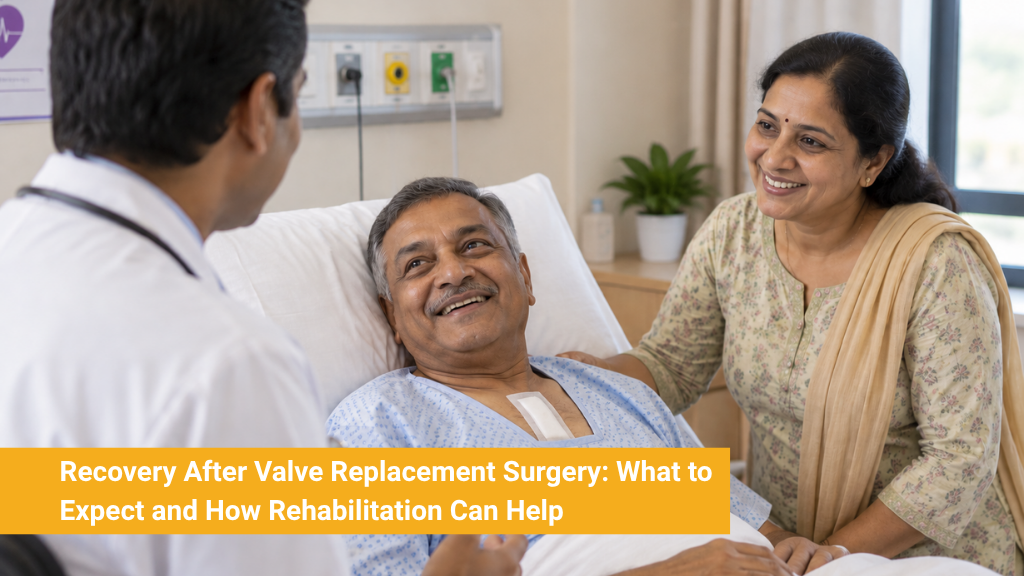
Valve replacement surgery is a major procedure, and recovery continues well beyond the time spent in the hospital.
Whether you have undergone aortic valve replacement, mitral valve replacement or another valve procedure, it is natural to have questions about what happens next. Patients and families often want to know when it is safe to walk, how long weakness will last, when normal activities can resume and whether cardiac rehabilitation is needed.
Recovery is different for every patient. Your age, overall health, type of procedure, heart function and other medical conditions can all affect how quickly you recover.
This guide explains what patients can generally expect during recovery after valve replacement surgery and how rehabilitation can support a safe return to everyday life.
The First Few Days: Recovery in the Hospital
After valve replacement surgery, patients are closely monitored in the hospital.
The first few days focus on stabilisation and early recovery. Once the medical team confirms that the patient is stable, gradual movement may begin.
This can include:
- Sitting up and getting out of bed
- Standing with assistance
- Taking short walks
- Breathing exercises
- Gentle mobility exercises
It is common to experience tiredness, weakness and discomfort during this stage. Patients may also experience changes in appetite and sleep.
The healthcare team will monitor recovery and provide guidance before discharge.
The First Few Weeks After Discharge
Returning home after surgery is an important step, but patients are often still recovering physically.
During the first few weeks, it is common to experience:
- Fatigue
- Reduced physical strength
- Difficulty with prolonged activity
- Changes in sleep
- Reduced appetite
- Anxiety about physical activity
Patients are usually encouraged to gradually increase their activity according to the advice of their treating cardiac team.
Walking and prescribed exercises can help rebuild strength, but recovery should not be rushed.
Weeks 3 to 6: Gradually Regaining Strength
As recovery progresses, many patients begin to feel stronger and more confident.
Walking may become easier, and patients may gradually become more independent with everyday activities.
However, the pace of recovery varies.
Older adults and patients with conditions such as diabetes, kidney disease, respiratory illness or reduced heart function may require additional support.
During this stage, rehabilitation can help patients work on:
- Walking endurance
- Muscle strength
- Balance
- Mobility
- Breathing
- Ability to perform daily activities
A structured rehabilitation plan can help patients progress safely without doing too much too soon.
Weeks 6 to 12: Returning to Everyday Activities
For many patients, the second and third months are focused on rebuilding endurance and returning to a more normal routine.
Depending on medical clearance and individual recovery, patients may gradually return to activities such as:
- Longer walks
- Household activities
- Social activities
- Travel
- Work
The timing will vary depending on the patient’s recovery and the nature of their daily activities.
Patients who have undergone open-heart surgery should follow their surgeon’s advice regarding lifting, pushing, pulling and other activities while the chest continues to heal.
What About Minimally Invasive or Transcatheter Valve Procedures?
Not every valve replacement procedure involves the same recovery process.
Some patients undergo minimally invasive procedures, while others may have transcatheter valve replacement procedures such as TAVR or TAVI.
Recovery after these procedures may be different from recovery after traditional open-heart surgery.
However, patients may still experience weakness, reduced exercise tolerance or loss of confidence after hospitalisation. Rehabilitation and gradual physical activity may still be important depending on the patient’s condition.
Always follow the recommendations of your treating cardiologist and cardiac team.
Why Cardiac Rehabilitation Can Help After Valve Replacement
Valve replacement surgery addresses the problem with the heart valve, but patients may still need time to regain their physical strength.
Cardiac rehabilitation provides a structured approach to recovery.
Depending on the patient’s needs, rehabilitation may include:
- Supervised physical activity
- Physiotherapy
- Walking and endurance training
- Breathing exercises
- Mobility and balance training
- Clinical monitoring
- Nutrition guidance
- Lifestyle education
- Support for returning to daily activities
The program should be personalised according to the patient’s condition, recovery progress and recommendations from the treating cardiac team.
Who May Benefit From Supervised Rehabilitation?
Some patients recover successfully at home with regular medical follow-up.
Others may benefit from more structured rehabilitation, particularly those who:
- Are older adults
- Feel significantly weak after surgery
- Had a prolonged hospital or ICU stay
- Need assistance with walking
- Have multiple medical conditions
- Have reduced physical endurance
- Require regular physiotherapy
- Have limited caregiving support at home
For these patients, supervised rehabilitation can provide additional support before transitioning fully back to everyday life.
Have Questions About Your Loved One's Recovery?
Ask a Rehabilitation Expert →Managing Recovery at Home
Patients recovering at home should follow the instructions provided by their treating cardiac team.
Recovery plans may include:
- Taking medications as prescribed
- Attending follow-up appointments
- Gradually increasing physical activity
- Following dietary recommendations
- Caring for the surgical wound
- Getting adequate rest
- Avoiding activities that have not yet been medically cleared
Family members can also play an important role by helping patients maintain their recovery routine and recognising changes that may require medical attention.
When Should You Seek Medical Advice?
Some tiredness and discomfort can be expected during recovery. However, patients should contact their healthcare team if they experience new or worsening symptoms.
Seek medical advice for:
- Increasing or severe chest pain
- Significant or worsening breathlessness
- Fainting or severe dizziness
- Persistent fever
- Increasing redness, swelling or discharge from the wound
- Sudden or worsening swelling
- New or concerning palpitations accompanied by symptoms
For sudden or severe symptoms, seek emergency medical care.
How Long Does Recovery After Valve Replacement Surgery Take?
There is no single recovery timeline for every patient.
Recovery depends on several factors, including:
- The type of valve procedure
- Whether the procedure was open-heart or minimally invasive
- Age and overall health
- Heart function
- Other medical conditions
- Physical condition before surgery
- Recovery progress after discharge
Some patients regain independence relatively quickly, while others require several weeks or months to rebuild their strength and endurance.
The focus should be on steady progress rather than comparing your recovery with someone else’s.
Cardiac Rehabilitation After Valve Replacement in Electronic City
Patients recovering from valve replacement surgery in and around Electronic City may benefit from structured rehabilitation as they transition from hospital care to everyday life.
At Sukino Electronic City, rehabilitation focuses on helping patients regain strength, improve mobility and increase functional independence after hospitalisation.
Depending on individual needs, the recovery plan may include physiotherapy, nursing support, clinical monitoring, nutrition guidance and multidisciplinary rehabilitation.
The program is personalised according to the patient’s condition and aligned with the recommendations of the treating cardiac team.
Frequently Asked Questions
Recovery varies depending on the type of procedure and the patient’s overall health. Some patients recover faster than others, and complete recovery may take several weeks or longer.
Walking and gentle movement are often introduced gradually once the patient is medically stable. Your healthcare team will guide you on how much activity is appropriate.
Cardiac rehabilitation may be recommended to help patients safely rebuild strength, improve physical function and return to daily activities. The need for rehabilitation depends on the individual’s condition and medical advice.
Yes. Many older adults recover successfully, although they may require additional support if they experience weakness, reduced mobility or have other medical conditions.
Many patients can recover at home with appropriate medical follow-up and family support. Others may benefit from supervised rehabilitation before transitioning home.
The timing varies depending on the procedure, healing and overall recovery. Your cardiac team can advise when specific activities are safe to resume.


