


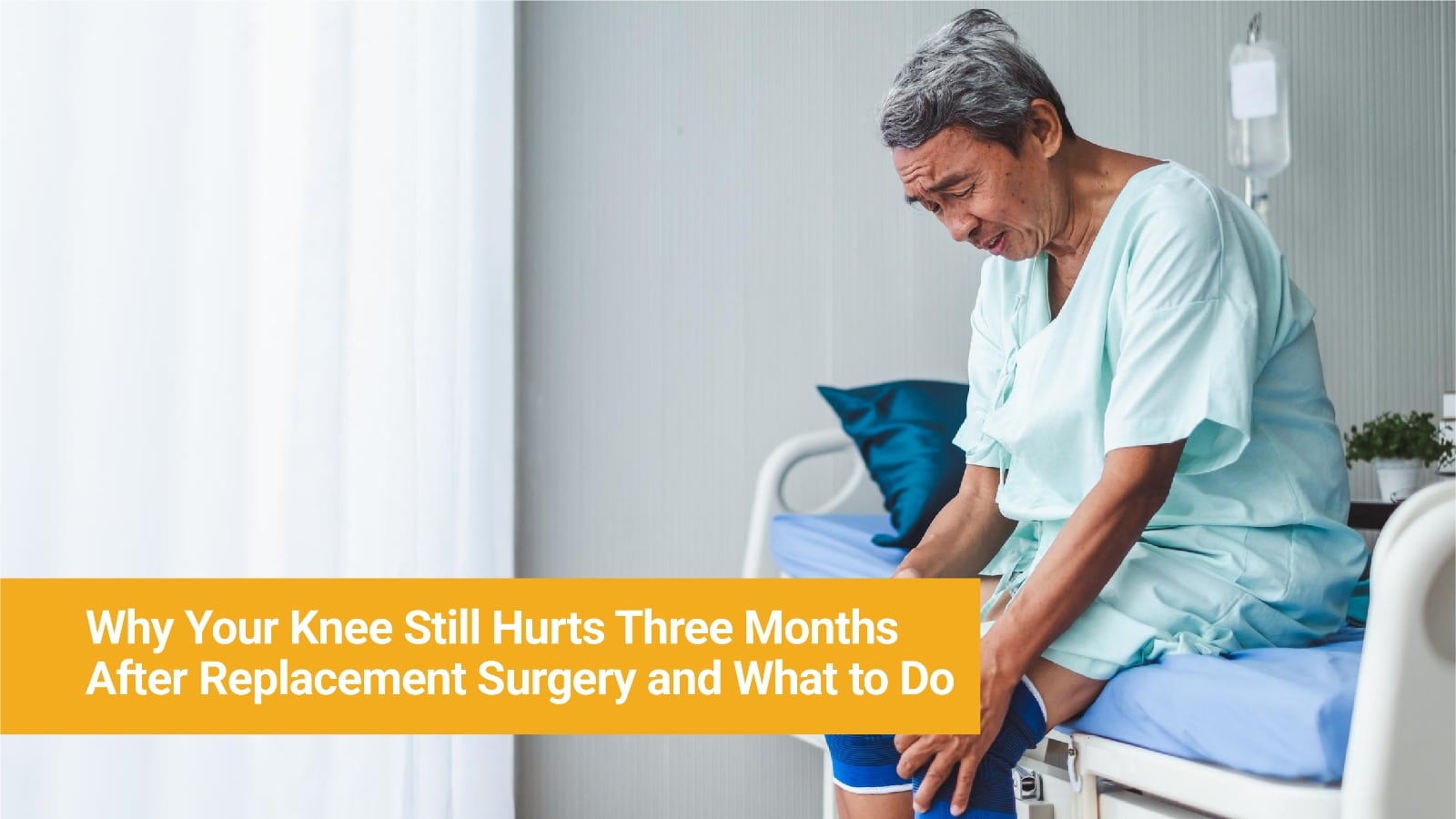
Three months after knee replacement surgery, most patients expect to be well on their way to a pain-free, functional life which is why persistent discomfort at this stage can be deeply unsettling, both for the patient and for the family supporting their recovery. The experience of ongoing pain at three months is in fact far more common than many people realise and in the majority of cases it is neither a sign of surgical failure nor a cause for alarm; understanding why it occurs, what form it typically takes, and when it genuinely warrants clinical attention is essential for navigating this phase of recovery without unnecessary anxiety or, conversely, without dismissing something that does require further assessment.
Why Pain at Three Months Is More Common Than Expected
Knee replacement surgery involves significant disruption to the soft tissue structures surrounding the joint (the muscles, tendons, ligaments, and the joint capsule itself) and the biological process of healing and remodelling these structures continues for considerably longer than the surgical wound itself takes to close. At the 3-month mark, the joint is still undergoing active tissue repair, scar tissue formation and softening and progressive re-education of the neuromuscular system (the system which controls movement around the knee). Pain at this stage most commonly reflects this ongoing healing process rather than any problem with the prosthetic components and it is frequently described as a dull aching quality that worsens with activity and eases with rest, or as stiffness that is more pronounced in the mornings or after sitting for extended periods.
The Role of Scar Tissue and Stiffness
One of the most common contributors to persistent discomfort at three months is the development of scar tissue which forms as part of the body’s natural response to surgical trauma and in some patients can accumulate more extensively than expected. When scar tissue restricts the movement of the joint (or places tension on the surrounding structures during activity), it produces a characteristic pattern of tightness, pulling discomfort and limited range of motion that physiotherapy is specifically designed to address. Patients who have not maintained a consistent physiotherapy programme in the weeks following surgery (or who reduced their activity significantly during recovery) are more likely to experience this pattern, and structured knee rehabilitation can play a significant role in resolving it through targeted mobilisation and progressive strengthening.
When Pain May Signal Something That Requires Attention
While most persistent pain at three months is attributable to the normal recovery trajectory, there are circumstances in which it warrants prompt clinical evaluation rather than continued observation, and the table below is intended to help patients and families distinguish between the two.
Symptom | What It Typically Means |
Dull aching that worsens with activity | Expected part of healing – continue physio and report if worsening |
Morning stiffness lasting under 30 minutes | Scar tissue and inactivity – increased mobilisation recommended |
Swelling after walking or exercise | Common at 3 months – ice, elevation and review with physio |
Progressive worsening pain | Requires urgent orthopaedic review – do not delay |
Redness, warmth, fever or wound discharge | Possible infection – contact the surgeon immediately |
Sudden sharp pain or instability | Requires urgent assessment – seek care without delay |
Still Experiencing Pain After Knee Replacement?
Persistent pain and stiffness at three months often indicates that the rehabilitation programme needs to be reassessed and intensified - not that recovery has stalled permanently. At Sukino Rehabilitation, our specialist physiotherapy and orthopaedic rehabilitation teams in Bangalore conduct detailed assessments to identify the specific deficits driving ongoing discomfort and design targeted programmes to address them. Early intervention at this stage makes a significant difference to long-term outcomes.
Speak with our knee rehabilitation specialists today.What Patients and Families Can Do
The most effective intervention for persistent pain at three months is a structured, supervised physiotherapy programme that is regularly progressed in response to the patient’s improvement. Many patients who are still experiencing discomfort at this stage are found, on assessment, to have meaningful deficits in quadriceps strength, hip abductor strength, or balance (all of which place stress on the knee joint during walking and other activities) perpetuating pain and limiting function. Your physiotherapist (working in sync with your knee rehabilitation programme) will assess these deficits directly and design an exercise plan that addresses them systematically. Beyond physiotherapy, attention to sleep quality, nutritional status and the management of any coexisting conditions such as diabetes or chronic pain sensitisation can all contribute to recovery at this stage. Patients accessing knee rehabilitation through inpatient or home-based managed healthcare programmes benefit from this kind of multidisciplinary oversight, which addresses the full range of factors influencing recovery rather than pain in isolation.
Conclusion
Persistent pain at three months after knee replacement is a clinical reality for a significant proportion of patients, and it is one that responds well to the right intervention when it is identified and addressed in a timely manner. Patients and families who understand the difference between expected post-operative discomfort and symptoms that require urgent attention are better positioned to make the right decisions during this phase, and those who access structured knee rehabilitation (whether through an inpatient programme or home-based managed healthcare) are giving the recovery process the best possible foundation. If you have concerns about pain or progress following knee replacement surgery, speak with the specialist rehabilitation team at Sukino Rehabilitation.
FAQs
Yes, persistent discomfort at three months is common and (in most cases) reflects the ongoing process of soft tissue healing and remodelling around the joint rather than any problem with the prosthesis itself. However, pain that is progressively worsening or accompanied by swelling, warmth, or fever should be assessed by the orthopaedic surgeon promptly.
Stiffness at three months is most commonly caused by the formation and tightening of scar tissue around the joint which restricts movement and produces a characteristic pulling discomfort during activity.
While most patients regain meaningful functional independence within three to six months, full recovery (including the resolution of residual pain, swelling, and strength deficits) takes between twelve and eighteen months and the quality of physiotherapy during this period has a direct bearing on the final outcome.
You should contact your orthopaedic surgeon without delay if the pain is worsening progressively, if the knee becomes increasingly swollen, warm, or red, if you develop a fever, if there is any discharge from the wound, or if you experience a sudden sharp pain or sensation of instability in the joint following a fall or awkward movement.
Patients who reduced their physiotherapy programme significantly during recovery, or who did not maintain the recommended exercise schedule, are at greater risk of persistent stiffness and pain at three months due to scar tissue accumulation and incomplete restoration of the muscle strength needed to support the joint.
Conditions like diabetes, obesity, chronic pain syndromes and poor nutritional status can all slow the pace of healing and contribute to persistent postoperative pain. That is why a multidisciplinary rehabilitation approach that addresses these factors alongside the physical programme often produces better results than physiotherapy alone.
Sukino Rehabilitation provides dedicated knee replacement rehabilitation through both inpatient and home-based programmes with physiotherapists, occupational therapists and clinical specialists working together to support patients through every stage of recovery, including the assessment and management of persistent pain at three months and beyond.


