


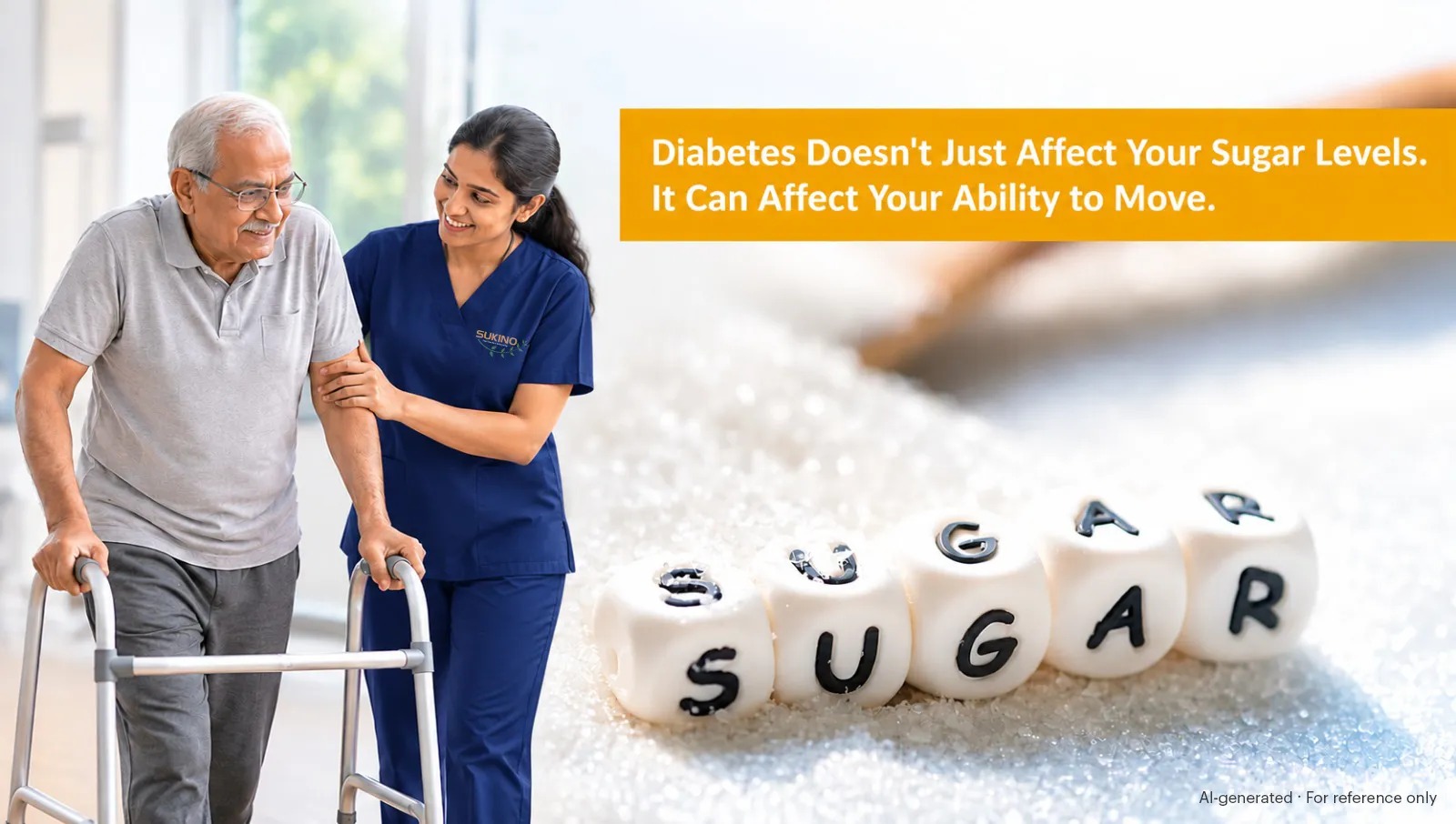
Understanding the connection between diabetes, stroke and the importance of rehabilitation.
When we think of diabetes, the first things that come to mind are blood sugar levels, dietary restrictions, medications and regular health check-ups. But there is another important connection that deserves attention: diabetes and stroke.
Diabetes can affect much more than your body’s ability to regulate blood glucose. Over time, it can damage blood vessels and increase the risk of cardiovascular complications, including stroke. And when a stroke occurs, the journey to recovery can involve several physical and functional challenges.
Understanding this connection is an important step towards protecting not just your health, but also your mobility and independence.
How are diabetes and stroke connected?
Diabetes is a chronic condition characterised by elevated blood glucose levels. When blood sugar remains high over an extended period, it can damage blood vessels and contribute to the development of atherosclerosis – the buildup of fatty deposits in artery walls.
This can narrow or block blood vessels, affecting the flow of oxygen-rich blood to vital organs, including the brain. People living with diabetes are also more likely to have other stroke risk factors, such as high blood pressure, abnormal cholesterol levels and obesity.
According to the American Stroke Association, people with diabetes are approximately twice as likely to experience a stroke as those without diabetes. The connection is clear: managing diabetes is also an important part of protecting your brain and cardiovascular health.
What happens when diabetes and stroke come together?
A stroke occurs when the blood supply to a part of the brain is interrupted or when a blood vessel in the brain ruptures.
Depending on the area of the brain affected, a stroke can lead to:
- Weakness or paralysis affecting one side of the body.
- Difficulty walking, standing or maintaining balance.
- Speech and communication difficulties.
- Problems with swallowing.
- Reduced coordination and muscle control.
- Challenges with memory, concentration and everyday activities.
For someone already living with diabetes, managing these challenges may require additional attention to blood glucose levels, medication, nutrition, circulation and overall health. Diabetes can also affect nerve function and circulation, making comprehensive medical supervision particularly important during recovery.
Why does rehabilitation matter after a stroke?
Surviving a stroke is only the beginning of the recovery journey. Many stroke survivors need structured rehabilitation to regain physical abilities, improve functional independence and adapt to changes in their everyday lives.
A multidisciplinary rehabilitation programme may include:
- Physiotherapy: Helps improve muscle strength, balance, coordination, mobility and walking ability through structured exercises and functional training.
- Occupational Therapy: Helps individuals relearn everyday activities such as eating, dressing, grooming and performing routine tasks independently.
- Speech and Swallow Therapy: Supports people experiencing communication, speech or swallowing difficulties following a stroke.
- Respiratory Therapy: Helps address respiratory complications and improve breathing function where clinically indicated.
- Clinical Psychology and Mental Wellness: Supports emotional well-being and helps individuals and families cope with the psychological impact of stroke.
For stroke survivors living with diabetes, rehabilitation should also be coordinated with ongoing medical care and appropriate blood glucose monitoring.
Recovery is not just about movement. It is about independence.
The impact of a stroke extends beyond the hospital stay. It can affect a person’s confidence, ability to perform everyday activities and quality of life.
The right rehabilitation environment, consistent clinical supervision and family involvement can make an important difference to the recovery journey. A structured continuum of care helps bridge the gap between hospital discharge and recovery at home, ensuring that patients receive the support they need as they work towards regaining independence.
At Sukino, multidisciplinary rehabilitation and continuum care programmes support individuals recovering from neurological conditions, including stroke, through personalised rehabilitation approaches.
Can people with diabetes reduce their risk of stroke?
While diabetes cannot always be prevented, its associated complications can often be managed through proactive healthcare.
Some important steps include:
- Monitor blood glucose levels regularly.
- Keep blood pressure and cholesterol within recommended limits.
- Follow your doctor’s prescribed medication and treatment plan.
- Maintain a balanced diet and a healthy body weight.
- Stay physically active, as advised by your healthcare professional.
- Avoid tobacco.
- Attend regular medical check-ups.
It is equally important to recognise the warning signs of stroke. Sudden facial drooping, arm weakness, difficulty speaking, vision changes or loss of balance require immediate emergency medical attention. Do not wait for symptoms to disappear.
Have Questions About Your Loved One's Recovery?
Ask a Rehabilitation Expert →This World Diabetes Day, think beyond blood sugar.
Diabetes management is not just about keeping glucose levels in check. It is about protecting your heart, brain, nerves, mobility and overall quality of life.
The connection between diabetes and stroke reminds us that healthcare must look beyond individual conditions and consider the bigger picture. Because good health is not simply about living longer. It is about living better, with the ability to move, participate and remain independent.
Sukino – Continuum of Care. Continuum of Love.
Disclaimer: This article is intended for general awareness and educational purposes. It is not a substitute for professional medical advice, diagnosis or treatment.


