


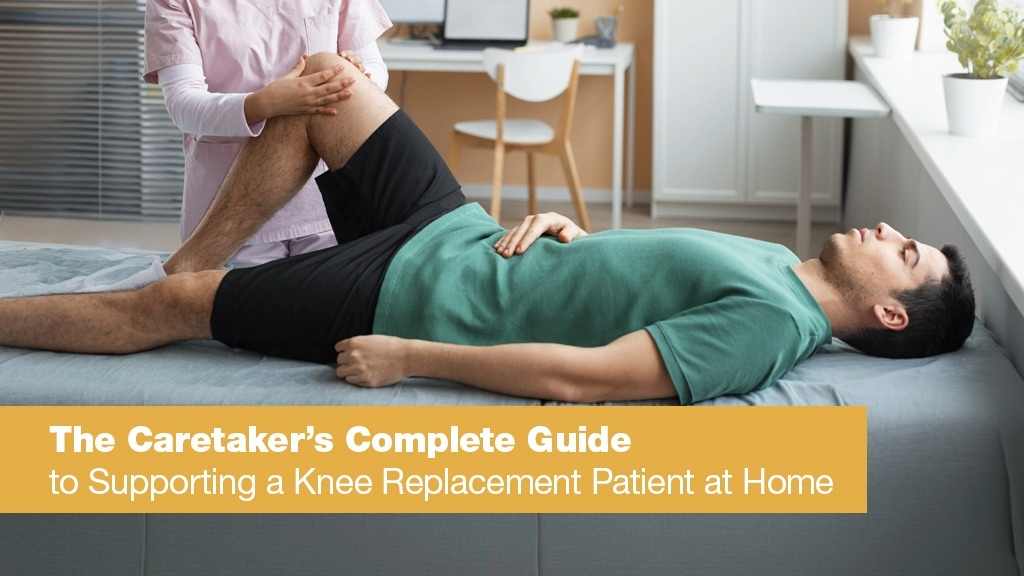
Nobody really prepares you for the moment you bring someone home after knee replacement surgery. The hospital discharge happens, the car ride is quiet, and then suddenly – it’s just you, your loved one, and a knee that’s been taken apart and rebuilt.
Here’s what actually helps: a plan. Not a vague one, but something practical you can follow day by day. This blog covers what you need to know about supporting a knee replacement patient at home from setting up the house before they arrive to knowing when to call the doctor.
Why the Right Home Care Makes Such a Difference
The six weeks after surgery are when the real recovery happens. The hospital stabilises the patient; home is where they heal. And how they heal depends a lot on the environment and support around them.
Patients who have consistent help at home tend to stick with their physiotherapy routines, manage pain better, and hit mobility milestones sooner.
Get the Home Ready Before Your Loved One with Knee Replacement Arrives
Walk through your home imagining someone who can’t bend their knee past 90 degrees and loses balance easily. That exercise tells you a lot. Here’s what to fix before day one of supporting a knee replacement patient at home:
- Remove rugs, loose cables, and any floor clutter that could trip them up.
- Move their sleeping setup to the ground floor if at all possible – stairs are brutal in week one.
- Fit grab bars near the toilet and in the shower or bathroom doorway.
- Get a raised toilet seat. This single item prevents enormous strain on the joint every single day.
- Raise the height of their regular chair with cushions or a firm wedge – deep sofas are a trap.
- Pre-stock the kitchen. You don’t want to be making grocery runs when you’re needed at home.
- Set up a bedside station: water, phone, charger, medications, TV remote, and something to read.
It takes maybe a few hours to do all of this. Those few hours save days of frustration.
The First 48 Hours: What You’re Actually Managing
The first two days at home are the hardest (for them and for you). Pain is at its peak, fatigue is real, and the patient is often disoriented by the shift from hospital to home. As a caretaker, your job is to stay calm and keep things steady.
Focus on these five things:
- Medications on schedule: Don’t wait for them to ask or for the pain to return. Staying ahead of it is the whole point.
- Ice and elevation: 20 minutes on, at least 40 minutes off. The leg should be above the level of the heart when they’re resting.
- Wound checks: Look for redness, warmth, unusual discharge, or a temperature above 38°C.
- Food and fluids: Appetite is poor after the procedure, but hydration and protein are non-negotiable for healing.
- Watch for DVT: Calf pain, tightness, or one leg swelling more than the other is an emergency call, not a wait-and-see situation.
Building a Daily Routine That Actually Works
A routine helps enormously as it reduces decision fatigue for you and gives your loved one something predictable to lean on. Here’s a simple framework:
Time | Activity |
Morning | Medication, light breakfast, wound check |
Mid-morning | Physiotherapy exercises (as prescribed). |
Afternoon | Rest with leg elevated, lunch, hydration |
Evening | Short assisted walk (if cleared), dinner, medication |
Night | Pillows for comfort, pain medication if needed. |
The physiotherapy matters more than most people realise. The exercises like ankle pumps, heel slides, and quad sets aren’t optional. They separate a knee that regains full function from one that stays stiff. Encourage without pressuring. Let the physio set the targets; your job is to help them show up for it.
Need more support than you can manage alone?
Sukino Healthcare provides trained home care attendants, certified physiotherapists
who visit at home, and post-surgical nursing - so recovery doesn’t fall entirely on your shoulders.
The Emotional Side Nobody Talks About
Around week two or three, something shifts. The initial adrenaline of coming home wears off, progress feels slower and many patients hit a wall emotionally. Frustration, low mood, even tearfulness – this is extremely common and often goes unmentioned.
As the caretaker, you don’t need to fix it. You just need to be understanding and patient. A few things that genuinely help:
- Let them be frustrated. Validate it rather than rushing to reassure.
- Point to what has changed since day one – concrete, specific things they couldn’t do before.
- Keep them connected to people they care about. Isolation makes everything harder.
- And look after yourself. Caretaker burnout is quiet but real. If you’re running on empty, the care suffers too.
Red Flags: When Supporting a Knee Replacement Patient at Home Means Calling for Help
Most of the recovery is uneventful. But some signs mean you need a doctor, not a home remedy:
- Fever above 38°C
- Pain that’s getting worse after day five or six, not better
- Discharge, increasing redness, or warmth around the incision
- One calf is noticeably more swollen or tender than the other
- Breathlessness or chest pain (call emergency services immediately)
- Complete inability to do the prescribed exercises due to pain.
When you need a professional in your corner
Sukino Healthcare’s post-surgical home care is built for exactly this: trained attendants,
home physiotherapy, and nursing visits that take the pressure off family caretakers and keep recovery on track.
FAQs
The most intensive phase is the first four to six weeks. Most people are moving around with reasonable confidence by week eight to twelve. Full recovery (low-impact sports, long walks, stairs without thought) often takes closer to six to twelve months.
Usually within two to three weeks, but only with one hand on the railing and a slow, step-by-step approach. The operated leg goes up first when ascending, down first when descending. Wait for the surgeon’s green light before making stairs a regular part of daily life.
Protein is the priority – eggs, dal, chicken and paneer. Vitamin C (guava, amla, capsicum) supports collagen repair. Calcium from dairy, ragi, or sesame helps bone recovery. Cut back on salt, which makes post-surgical swelling worse, and push fluids consistently.
Have them scoot to the edge of the seat first. The operated leg goes slightly forward. They push up through their arms and the non-operated leg. Stand close enough to steady them but don’t grip their arm as it may throw off their balance. Let them do the work; you’re just the safety net.
Home physiotherapy is not only possible but it’s often the better option in the first few weeks when travel itself is exhausting. A good physiotherapist adjusts the programme as the patient improves. Sukino provides certified physiotherapists who come to you.
Short and frequent is better than one long effort. Aim for five to ten minutes, two or three times a day. The goal is circulation and light joint movement, not distance. Increase gradually, guided by the surgeon’s follow-up advice.
Flat on the back, with a firm pillow placed under the calf – not behind the knee, which bends the joint and causes stiffness. Avoid the operated side until the surgeon says otherwise. Some patients find a slight incline (raising the head of the bed) more comfortable in the first week.


